Description
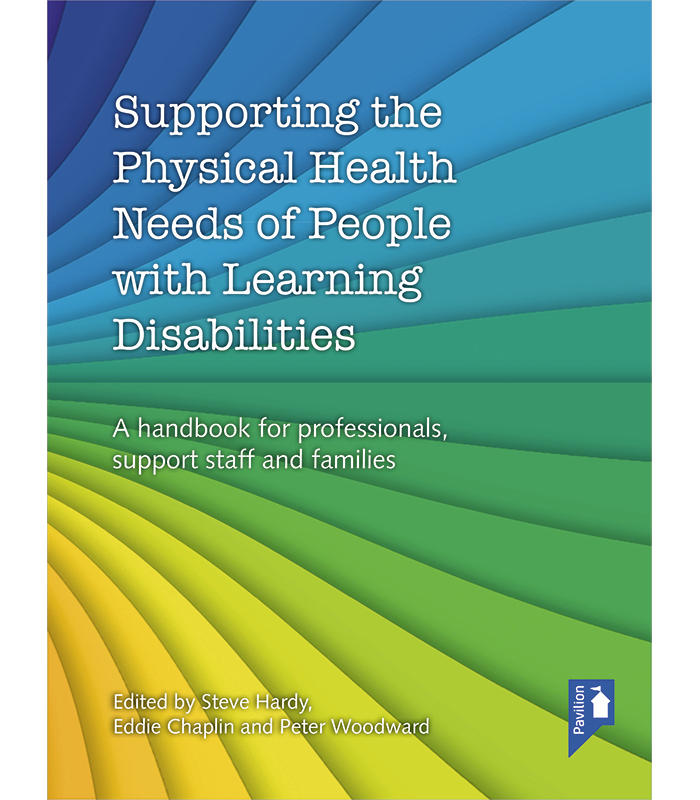
It has long been known that people with learning disabilities have poorer health than the¬ general population, but the extent of these differences becomes striking when considering the evidence of reduced life expectancy. In 2013 the Confidential Inquiry into the Premature Deaths of People with Learning Disabilities reported that men typically die 13 years younger and women 20 years younger than the general population. In 42% of cases the death was considered premature. Enhance your understanding of how supporting the physical health of individuals with learning disabilities can improve overall well-being and lifespan.
The reasons for this lower life expectancy are varied but what we do know is this group are two and a half times more likely to have multiple health needs than other people, and often have difficulties accessing health services or receiving appropriate treatment from clinicians.
As well as looking at the challenges of accessing healthcare and navigating care pathways, this -handbook presents a practical guide to the most common conditions and health needs, with chapters written by experts in those conditions and their relationship to learning disabilities. A range of issues are covered, including mental health, cancer, epilepsy, respiratory and swallowing problems, and poor sight and hearing.
The book aims to increase awareness and knowledge of how these conditions and issues present themselves, as well as how they can be prevented in the first place, and best practice in assessment and treatment. It will therefore be a valuable resource for families, support workers and health professionals.
Audience
This handbook is for healthcare professionals and support staff to help them when diagnosing, treating and caring for people with a learning disability.
Supporting the Physical Health Needs of People with Learning Disabilities is also valuable to families of people with a learning disability to help them ensure their loved ones receive the best and most appropriate health care.
Authors
Steve Hardy, Oxleas NHS Foundation Trust
Eddie Chaplin, London South Bank University
Peter Woodward, Greenwich University
Details
ISBN: 9781910366257
Publication: 17 November 2016
Content:
Introduction
Part I: Health inequalities
Chapter 1: Reasonable adjustments
Sue Turner
Chapter 2: Promoting health equality: health inequalities and people with learning disabilities
Gwen Moulster, Crispin Hebron, Phil Boulter and Dave Atkinson
Chapter 3: Improving hospital experiences: working with wards for better outcomes
Miriam Marsham and Jane Hart
Chapter 4: People with learning disabilities, the NHS and primary care
Mark Bradley
Chapter 5: Health promotion for people with learning disabilities
Lisa Hanna-Trainor, Laurence Taggart and Wendy Cousins
Chapter 6: The Mental Capacity Act (2005)
Steve Hardy, Lesley Brown and Theresa Joyce
Part II: Common conditions
Chapter 7: Respiratory illness
Daniel Marsden and Sally Wilson
Chapter 8: Cardiology
Daniel Marsden and Sally Wilson
Chapter 9: Diabetes in people with learning disabilities
Maria Truesdale and Laurence Taggart
Chapter 10: Mental health and mental well-being
Eddie Chaplin and Karina Marshall-Tate
Chapter 11: Caring for the person with epilepsy and learning disability
Anthony Holland
Chapter 12: Cancer
Peter Woodward
Chapter 13: Gastrointestinal disorders
Peter Woodward
Chapter 14: End of life care
Renee Francis, Eddie Chaplin and Karina Marshall-Tate
Chapter 15: Dysphagia
Lesley Brown
Chapter 16: Visual impairment, hearing loss and learning disabilities
Mark Gray
Chapter 17: Postural care
Sarah Clayton
Part III: Service users, carers and family
Chapter 18: Meeting the health needs of people with learning disabilities: working together with families
Hayley Goleniowska
Chapter 19: Through our eyes: what parents want for their children from health professionals
Jim Blair and parents


Fiona Rich –
I think this is a really useful introduction to a number of topic areas for students. There are many complex needs of people with learning disabilities that nursing students will need to consider during their course and this text makes a good starting point in terms of how to support these needs. It is a practical and engaging text interspersed with case studies, allowing the reader to consider how interventions can be applied in practice. There is a good range of topic areas including supporting individuals in hospitals with a ’Good Practice Checklist’ for Acute Care Admission. This text will be beneficial for all fields of nursing, not just the Learning Disability field. It is also commendable to see included perspectives from service users and carers.
Review by: Fiona Rich, Senior Lecturer & Tutor for Learning Disability Nursing at Birmingham City University